
Cosigned a Personal Loan and Can't Pay: What Now?
Cosigned a personal loan and can't pay? Get practical steps to protect your credit and resolve the debt. Call 8336708023 for a free assessment.

By Naomi Winters
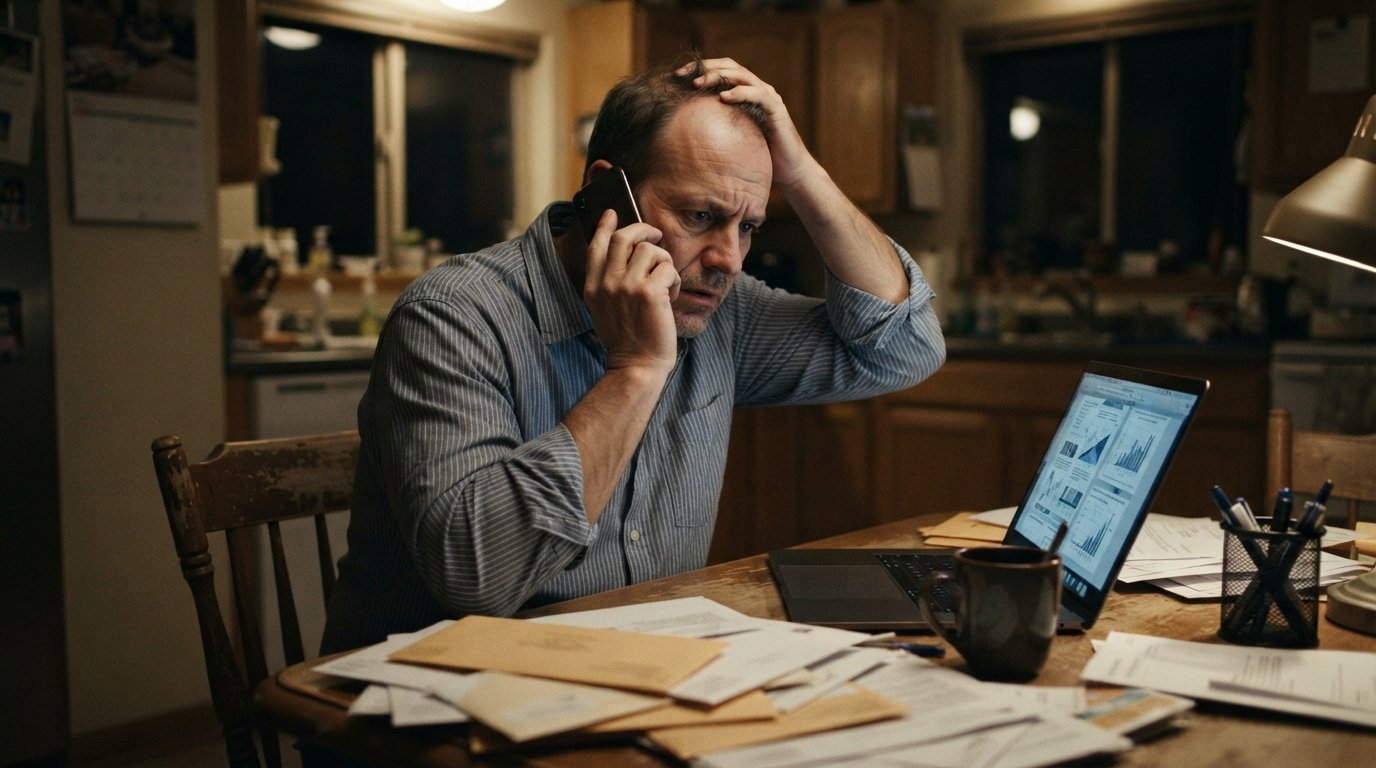
You signed your name as a cosigner to help someone you care about, and now the payments have stopped. Perhaps the primary borrower lost a job, faced a medical emergency, or simply walked away from the obligation. Whatever the reason, the lender is now looking at you, and the question running through your mind is simple and terrifying: cosigned a personal loan and can't pay what now? You are not alone in this situation, and you are not without options. Millions of Americans serve as cosigners on personal loans, auto loans, and student loans, often without fully understanding that cosigning means accepting full legal responsibility for the debt if the primary borrower defaults. The good news is that even in this stressful position, there are practical steps you can take to protect your finances, your credit, and your peace of mind.
This guide walks you through exactly what happens when a cosigned loan goes unpaid, what rights and risks you face, and how to build a realistic plan forward. Whether you can afford partial payments, need to negotiate with the lender, or are considering a structured debt relief program, understanding your choices is the first step toward regaining control.
What Cosigning Legally Means and Why Lenders Come After You
When you cosign a personal loan, you are not simply vouching for the borrower's character. You are entering a binding legal contract that makes you equally responsible for repayment. The lender can pursue you for the full balance, including principal, interest, late fees, and collection costs, the moment the primary borrower misses a payment. In most cases, the lender does not even need to exhaust its efforts against the primary borrower before contacting you. Your credit report will show the delinquency, and your score can drop significantly.
Many cosigners do not realize that the loan appears on their own credit report as a joint account. This means that even before a default, the debt counts against your debt-to-income ratio when you apply for your own loans or credit cards. Once a payment is 30 days late, the damage begins. At 90 days, the lender may charge off the account, and at 180 days, it may sell the debt to a collection agency. Each of these milestones can remain on your credit report for up to seven years.
The emotional weight of cosigning can be just as heavy as the financial one. You may feel betrayed, angry, or guilty. Those feelings are valid, but they cannot change the legal reality. The lender sees you as a source of repayment, and it will act accordingly. The sooner you accept that reality and start exploring solutions, the better positioned you will be to minimize the damage.
Immediate Steps to Take When the Loan Goes Unpaid
The moment you learn that payments have stopped, you need to act quickly. Ignoring the problem will only make it worse. Lenders typically escalate collection efforts on a predictable timeline, and every day you wait reduces your negotiating power. Start by gathering information and then move into action.
- Contact the lender immediately. Call the loan servicer and ask for the exact status of the account, the remaining balance, the number of missed payments, and whether the loan has been charged off or sent to collections. Get everything in writing if possible.
- Reach out to the primary borrower. Have a direct, honest conversation. Ask what happened, whether they can resume payments, and whether they are willing to work with you on a plan. Document everything.
- Review your own financial situation. Calculate how much you can realistically afford to pay each month without jeopardizing your own housing, food, and essential expenses. Do not promise more than you can sustain.
- Check your credit reports. Pull free reports from AnnualCreditReport.com and look for the account. Verify that the information is accurate and note any errors you may need to dispute later.
- Explore all relief options. Depending on your circumstances, you may be able to negotiate a payment plan, settle the debt for less than the full balance, or enroll in a structured debt relief program. Understanding these choices early helps you avoid panic decisions.
After you have gathered this information, you can begin to evaluate which path makes the most sense. If the primary borrower is willing and able to resume payments, your best move may be to stay in the background and monitor the account. If they are not, you need to prepare to take on the debt yourself or negotiate a resolution. Either way, do not wait for the lender to sue you before you take action. A lawsuit can lead to wage garnishment, bank account levies, or property liens, all of which are far more difficult to undo than a negotiated agreement.
If you are already feeling overwhelmed by multiple debts, including this cosigned loan, it may help to read our guide on what to do if you can't pay personal loans, which covers additional strategies for managing unsecured debt when money is tight.
Your Legal Rights and the Lender's Options
As a cosigner, you have certain rights, but they are limited. You are entitled to receive notices required by law, including notices of default and intent to collect. You have the right to dispute inaccurate information on your credit report. You also have the right to be free from abusive or harassing collection practices under the Fair Debt Collection Practices Act (FDCPA). However, you do not have the right to stop the lender from reporting the delinquency or from filing a lawsuit if the debt remains unpaid.
The lender's options depend on the type of loan and the laws of your state. For unsecured personal loans, the lender can:
- Report late payments and defaults to the credit bureaus.
- Charge off the loan and sell it to a third-party collection agency.
- Sue you for the remaining balance, and if successful, seek wage garnishment or bank levies.
- Negotiate a settlement or payment plan if you approach them proactively.
Some states have additional protections for cosigners, such as requiring lenders to notify you before accelerating the loan or limiting the amount they can recover. It is worth checking your state's laws or consulting a consumer law attorney if you are unsure. In general, though, the lender holds most of the leverage unless you can present a compelling hardship case or negotiate a lump-sum settlement.
One important consideration: if you pay the debt, you may have the right to seek reimbursement from the primary borrower through a legal process called subrogation or contribution. However, this only helps if the borrower has assets or income you can pursue. In many cases, the borrower is also financially distressed, making recovery unlikely. Still, it is worth documenting your payments and any agreement you reach, as you may be able to claim a bad debt deduction on your taxes if the debt is truly uncollectible.
Negotiating with the Lender or a Collection Agency
If you decide to resolve the debt yourself, negotiation is often the most direct path. Lenders and collection agencies are usually willing to work with cosigners because they want to get paid, and a negotiated settlement is better for them than a costly lawsuit. The key is to approach the conversation with preparation and realistic expectations.
Start by requesting a current statement and a written payoff quote. Then, assess what you can afford. If you can pay a lump sum, you may be able to settle for less than the full balance. Typical settlements range from 40% to 60% of the outstanding amount, though this varies widely. If you cannot pay a lump sum, ask about a hardship plan or a temporary forbearance that reduces or pauses payments for a few months.
When you negotiate, be honest about your situation. Explain that you are a cosigner, that the primary borrower has defaulted, and that you want to resolve the debt but have limited resources. Ask for a settlement or payment plan in writing before you make any payment. Never give a collector access to your bank account or debit card information. Use a cashier's check or money order instead, and keep copies of everything.
If the debt has been sold to a collection agency, you have additional rights. You can request validation of the debt within 30 days of first contact. If the agency cannot prove it owns the debt or that the amount is correct, you may be able to dispute it. Even if the debt is valid, you can still negotiate. Collection agencies often buy debts for pennies on the dollar, so they have room to settle.
If negotiation feels overwhelming or you are dealing with multiple creditors, a professional debt relief service may be able to help. For example, LendersCashLoan is a digital loan connection service that helps users find potential short-term personal loan offers by submitting a single online request to a network of third-party lenders. While it is not a debt relief program, it can be a resource if you need to explore borrowing options to consolidate or manage the cosigned debt. Always compare offers and read the terms carefully before committing.
When to Consider Debt Settlement or Other Relief Programs
If the cosigned loan is just one of several unsecured debts you are struggling with, you may benefit from a more comprehensive solution. Debt settlement is a process in which a company negotiates with your creditors to reduce the total amount you owe, often allowing you to pay a lump sum or a series of payments that are less than the full balance. This can be an effective alternative to bankruptcy for people facing genuine financial hardship.
However, debt settlement is not right for everyone. It can have a negative impact on your credit score, and it may take several years to complete. You should also be aware that forgiven debt over $600 may be considered taxable income by the IRS, so you may owe taxes on the amount saved. It is essential to work with a reputable company and to understand the risks before enrolling.
At Debtsend, we help individuals overcome overwhelming unsecured debt through structured debt settlement programs. Our free, no-obligation debt assessment connects you with third-party partners who can craft a personalized strategy. The process is designed to be simple and compassionate, with no judgment and no upfront fees. If you are a cosigner who cannot pay and you are facing multiple debts, a debt settlement program may help you resolve the cosigned loan along with your other obligations.
Other options include debt management plans (DMPs), which consolidate your payments into one monthly amount and may reduce interest rates, and credit counseling, which can help you create a budget and negotiate with creditors. Each option has trade-offs. A DMP may take longer to pay off but can preserve your credit score better than settlement. Bankruptcy should be a last resort, but it can provide relief if you are facing lawsuits or wage garnishment.
To make an informed decision, gather information from multiple sources, compare program fees and terms, and consult a financial advisor or a nonprofit credit counselor. Do not rush into any program without understanding how it will affect your credit, your taxes, and your long-term financial goals.
Protecting Your Credit and Your Financial Future
Regardless of which path you choose, protecting your credit is a priority. Late payments and defaults on a cosigned loan can stay on your credit report for seven years, making it harder to get approved for mortgages, car loans, and even rental apartments. If you can bring the account current or negotiate a settlement, ask the lender to update the account status to "paid" or "settled for less than full balance." While a settled account is not as good as a paid-in-full account, it is far better than an open collection.
Once the debt is resolved, focus on rebuilding your credit. Get a secured credit card or a credit-builder loan, make on-time payments, and keep your credit utilization low. Monitor your credit reports regularly to ensure that the negative information is reported accurately and that it eventually ages off. If you find errors, dispute them with the credit bureaus.
It is also important to learn from this experience. Before you cosign another loan, consider the risks carefully. If you cannot afford to pay the loan yourself, you should not cosign. If you do cosign, have a frank conversation with the borrower about what will happen if they fall behind, and consider setting up automatic payments from their account to yours so you can monitor the loan. Some lenders also offer cosigner release options after a certain number of on-time payments, which can remove you from the obligation entirely.
Finally, do not let shame or embarrassment prevent you from seeking help. Many people find themselves in this situation through no fault of their own. The important thing is to face the problem head-on and take action. Whether you negotiate directly, enroll in a debt relief program, or seek legal advice, you have options. With a clear plan and a willingness to act, you can resolve the cosigned loan and move forward toward financial stability.