
How Debt Stress Affects Physical Health: A 2026 Guide
Debt stress raises cortisol, blood pressure, and inflammation. Call 8336708023 to explore relief options and protect your health while resolving unsecured debt.

By Rowan Fletcher
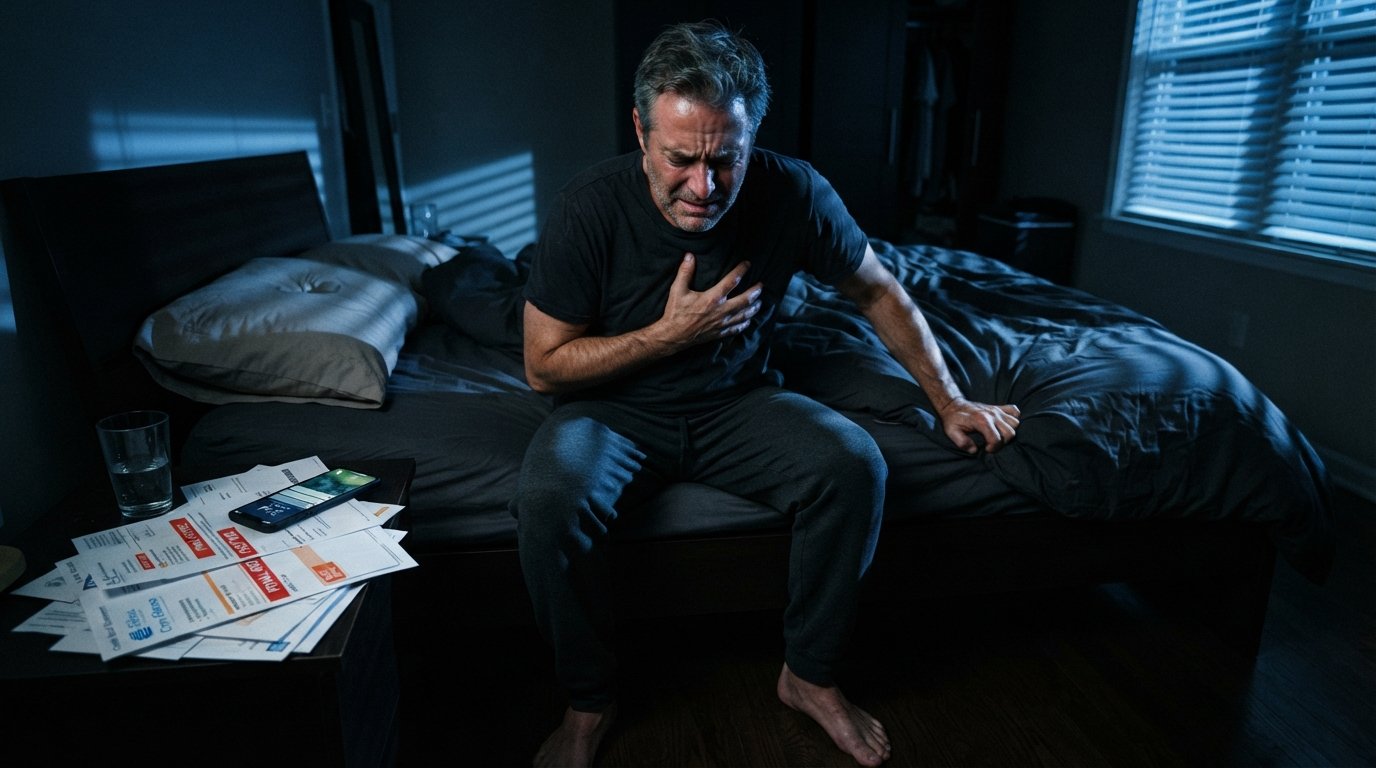
Your heart races at 3 a.m. Your shoulders stay tight all day. Your stomach churns every time the phone rings with an unknown number. If you carry heavy unsecured debt, you may assume these symptoms are just part of life. They are not. The connection between financial worry and bodily harm is real, measurable, and well documented by medical researchers. Understanding how debt stress affects physical health is the first step toward protecting both your body and your bank account.
This guide breaks down the science behind that connection, explains which systems suffer most, and offers practical steps you can take right now. Whether you are dealing with credit card balances, medical bills, personal loans, or collection accounts, the information below can help you recognize the warning signs before they become chronic conditions.
The Biology of Financial Worry: What Happens Inside Your Body
When you face a financial threat, your brain treats it much like a physical threat. The amygdala, your brain's alarm system, signals the release of cortisol and adrenaline. These hormones prepare your body for fight or flight. In short bursts, this response is healthy. The problem is that debt rarely goes away in a few minutes. It lingers for months or years, keeping your stress hormones elevated far longer than nature intended.
Chronic cortisol exposure damages nearly every system in the body. It raises blood pressure, promotes inflammation, disrupts sleep, and even reshapes the brain's decision-making centers. A landmark 2013 study by researchers at Northwestern University found that adults with higher debt-to-asset ratios had significantly worse diastolic blood pressure, even after controlling for income, age, and other health factors. The researchers concluded that debt behaves like a chronic stressor with direct cardiovascular consequences.
The psychological weight also matters. People who feel ashamed of their debt often isolate themselves, skip social events, and delay medical care because they fear adding to their bills. This avoidance creates a vicious cycle: untreated health problems worsen, medical costs climb, and the debt grows larger. Breaking that cycle requires addressing both the financial and the physical dimensions at the same time.
Cardiovascular Consequences: When Your Heart Pays the Price
Your cardiovascular system is one of the first places debt stress shows up. Elevated cortisol narrows blood vessels and increases heart rate. Over time, this constant strain can lead to hypertension, arrhythmias, and a higher risk of heart attack or stroke. The American Heart Association has noted that chronic stress contributes to plaque buildup in arteries, a process that can begin years before any symptoms appear.
Sleep deprivation compounds the damage. Financial worry is one of the most common causes of insomnia. When you do not sleep, your body cannot regulate blood pressure properly, and inflammation rises. A single night of poor sleep can raise blood pressure the next day. Months of poor sleep can push someone with borderline hypertension into full-blown disease.
Here is what researchers have found when they study people with high debt loads:
- Higher debt-to-income ratios correlate with elevated diastolic blood pressure readings.
- Financial stress increases the risk of heart attack by roughly 30 percent in some longitudinal studies.
- People with medical debt are more likely to report fair or poor heart health than those without it.
- Cortisol from chronic worry promotes visceral fat storage, which is a known cardiovascular risk factor.
These findings do not mean that everyone with debt will develop heart disease. They do mean that debt is an independent risk factor that deserves attention alongside diet, exercise, and smoking. If you already have cardiovascular risk factors, managing your financial stress becomes even more urgent.
Immune System Suppression and Increased Illness
Cortisol is naturally anti-inflammatory in the short term, but when levels stay high, the immune system becomes desensitized. White blood cells stop responding efficiently to signals. The result is a paradox: you feel inflamed and run down, yet your body cannot mount a proper defense against viruses and bacteria.
Studies on chronic stress consistently show slower wound healing, more frequent colds, and a reduced response to vaccines. People under financial strain report more sick days and more doctor visits, even when insurance status is controlled for. The immune suppression is not just a feeling; it shows up in lab tests measuring natural killer cell activity and antibody levels.
If you notice that you catch every cold that goes around, or that minor cuts take weeks to heal, chronic stress may be a contributing factor. Addressing the underlying financial worry can help your immune system recover.
Musculoskeletal Pain and Tension
Stress manifests physically in the muscles. When you are worried about money, you unconsciously tense your shoulders, neck, and jaw. This constant tension leads to headaches, back pain, and temporomandibular joint disorders. Many people with debt stress wake up with clenched jaws or aching backs without realizing the cause.
Chronic pain then feeds back into the stress cycle. Pain disrupts sleep, reduces mobility, and makes it harder to work or exercise. The result is a downward spiral where physical discomfort and financial worry reinforce each other. Physical therapy and pain medication may help temporarily, but they do not address the root cause if that cause is financial.
Some people also develop stress-related skin conditions such as eczema, psoriasis, or acne. These visible symptoms can add social embarrassment on top of financial shame, further isolating the person from support networks.
Digestive Issues Linked to Financial Worry
The gut is often called the second brain because it contains millions of neurons and communicates constantly with the central nervous system. Stress hormones alter gut motility, change the composition of gut bacteria, and increase intestinal permeability. This is why people under financial pressure often experience acid reflux, irritable bowel syndrome, constipation, or diarrhea.
Research on the gut-brain axis shows that chronic stress can worsen inflammatory bowel diseases and make it harder to absorb nutrients. If you are already eating cheaper, less nutritious food because of budget constraints, the combination can lead to deficiencies that further weaken your body.
Improving your financial situation can produce rapid improvements in digestive health. Many people report that their stomach issues diminish once they have a clear plan for tackling their debt, even before the debt is fully paid off. The relief of having a strategy matters as much as the money itself.
Sleep Disruption and Its Ripple Effects
Sleep is when your body repairs itself. Debt stress steals that repair time. People with financial worries take longer to fall asleep, wake more often during the night, and spend less time in deep sleep stages. Over time, sleep debt accumulates and affects every system in the body.
Poor sleep impairs glucose metabolism, increases appetite for high-calorie foods, and reduces impulse control. This makes it harder to stick to a budget or make healthy food choices. The lack of sleep also worsens mood, which can strain relationships and reduce the support you need to get through a difficult financial period.
If you are lying awake worrying about bills, try writing down your concerns before bed. A simple notebook where you list each worry and one small action you can take tomorrow can calm the mind. It will not solve the debt, but it can reduce the 3 a.m. spiral.
Mental Health and Its Physical Manifestations
Anxiety and depression are common companions of debt. What many people do not realize is that these conditions have physical symptoms: fatigue, headaches, muscle aches, and changes in appetite or weight. The mind and body are not separate systems. Treating one without the other rarely works.
Depression can also reduce motivation to seek help. Someone who feels hopeless about their debt may not have the energy to research options or make phone calls. This is why compassionate, judgment-free support is so important. Organizations that help people understand how debt relief affects your credit report can remove some of the fear that blocks action.
The good news is that taking even one small step toward resolving debt often improves mental health quickly. The sense of agency returns. The feeling of being trapped begins to lift.
Steps to Protect Your Physical Health While Managing Debt
You do not have to wait until your debt is gone to start feeling better. The following steps can reduce the physical toll starting today.
- Get a clear picture of your debt. List every account, balance, interest rate, and minimum payment. Uncertainty feeds anxiety. Knowledge, even when the numbers are scary, reduces the stress of the unknown.
- Talk to someone. Whether it is a trusted friend, a financial counselor, or a debt relief specialist, saying the numbers out loud breaks the shame spiral. You are not alone, and you are not the only person who has ever been here.
- Move your body daily. Exercise does not have to be expensive. A 20-minute walk lowers cortisol and improves mood. It also helps you sleep better, which improves everything else.
- Protect your sleep. Set a consistent bedtime, avoid screens for an hour before bed, and keep a notepad nearby for worries. Sleep is not a luxury; it is medicine.
- Explore debt relief options. Programs like debt settlement, debt consolidation, or credit counseling can reduce both the financial burden and the stress. A free assessment can show you what you qualify for without affecting your credit score.
If you need immediate financial assistance while you evaluate longer-term solutions, services like LendersCashLoan connect borrowers with potential short-term personal loan offers from a network of third-party lenders. These options can provide breathing room for urgent expenses while you work on a permanent plan.
When to Seek Professional Help
If you experience chest pain, severe shortness of breath, or symptoms that frighten you, seek medical attention immediately. Do not assume it is just stress. Debt stress can contribute to serious conditions, but it can also coexist with them.
For ongoing symptoms such as persistent insomnia, digestive problems, or chronic pain, talk to a healthcare provider. Be honest about your financial situation. Many doctors and clinics have resources or sliding-scale fees for people under financial strain. Asking for help is not a weakness; it is a smart health decision.
On the financial side, consider speaking with a nonprofit credit counselor or a reputable debt relief company. A legitimate organization will explain all your options, including the potential impact on your credit score and any tax implications of debt forgiveness. They will not pressure you or promise overnight results. They will help you understand the trade-offs and choose a path that fits your life.
Rebuilding Both Health and Wealth
The relationship between debt and physical health runs in both directions. Poor health can lead to medical debt, and medical debt can worsen health. Breaking the cycle requires attention to both sides. As your financial situation improves, you will likely notice physical improvements: better sleep, more energy, less pain, and a stronger immune system.
These improvements do not require a perfect financial outcome. They begin as soon as you take action. The first phone call, the first budget, the first appointment with a counselor, each step reduces the load on your body. Your heart, your gut, your muscles, and your mind all benefit from the knowledge that you are doing something about the problem.
Debt stress is not just in your head. It is in your blood pressure, your sleep quality, your immune function, and your pain levels. Treating it as a real health issue, not a personal failing, opens the door to solutions that address the whole person. You deserve to feel better in your body, and you deserve a path out of debt. Both are possible, and both can start today.