How to Get Out of Credit Card Debt When Minimums Are Unaffordable
Stuck paying minimums you cannot afford? Learn how to get out of credit card debt with negotiation, budgeting, and relief programs that actually work.

By Franklin Moore
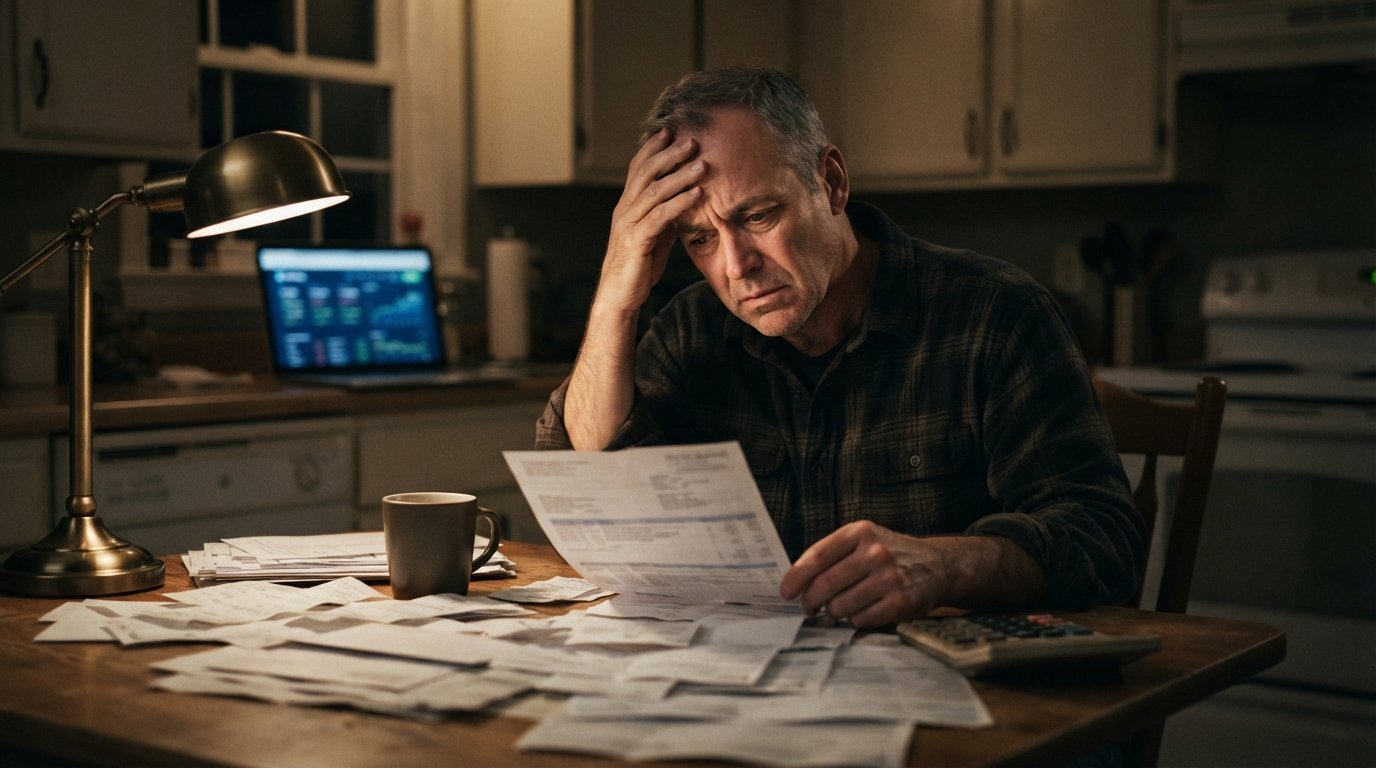
You open your credit card statement and feel a knot in your stomach. The minimum payment is due, but your bank account is already stretched thin. You are not alone. Millions of Americans face the same dilemma every month: charge the minimum to keep the account current, or fall behind and risk late fees, penalty APRs, and collection calls. The good news is that you have more options than you think. This guide will walk you through practical, actionable steps to escape the cycle of unaffordable minimum payments and regain control of your finances. Whether you are dealing with one maxed-out card or several, the strategies below can help you find relief and build a path toward financial freedom.
Why Minimum Payments Keep You Trapped
Credit card minimum payments are designed to keep you in debt for as long as possible. When you pay only the minimum, most of your payment goes toward interest, and only a small fraction reduces the principal. With the average credit card APR hovering around 22% or higher, paying minimums on a $10,000 balance could take over a decade to clear and cost you thousands in interest. For example, a $5,000 balance at 24% APR with a 2% minimum payment would take more than 20 years to pay off if you never charge another dime. That is why minimum payments feel like a treadmill: you run, but you never reach the finish line.
Worse, the minimum payment amount often decreases as your balance declines, which slows your progress even further. And if you miss a payment, the issuer can raise your APR to a penalty rate of nearly 30%, making it even harder to escape. The first step to getting out of this trap is understanding that minimum payments are not a solution; they are a survival tactic that benefits the lender, not you.
Take Immediate Action: Budget Triage and Prioritization
When minimum payments are unaffordable, you need a plan that stretches every dollar. Start by listing all your credit card debts, including balances, APRs, and minimum payments. Then, assess your monthly income and essential expenses (housing, food, utilities, transportation, and insurance). The goal is to free up as much cash as possible to put toward debt. But if your income barely covers essentials, you may need to make tough choices, such as cutting discretionary spending, taking on a side gig, or selling unused items.
Once you have a clear picture, prioritize your debts strategically. Two popular methods are the debt avalanche and the debt snowball. The avalanche method focuses on paying extra toward the highest-APR card first, which saves the most money on interest. The snowball method targets the smallest balance first, giving you a quick win and momentum. Both methods work, but when money is tight, the avalanche method is often more efficient because it reduces the interest burden faster. However, if you need psychological wins to stay motivated, the snowball can be powerful.
Here is a simple prioritization framework to follow:
- List all debts with balance, APR, and minimum payment.
- Ensure essential expenses are covered first (housing, food, utilities, transportation, insurance).
- Contact issuers to request hardship plans or APR reductions (more on this below).
- Allocate any extra funds to the highest-priority debt based on your chosen method.
- Consider a balance transfer or consolidation loan only if you can qualify and it genuinely lowers your rate.
Remember that prioritizing does not mean ignoring other debts. You still need to make at least the minimum on all accounts to avoid penalties, but if you truly cannot afford even that, you must communicate with your lenders before you fall behind.
Negotiate with Your Credit Card Issuers
Many cardholders do not realize that credit card companies are often willing to work with customers who are struggling. If you are facing financial hardship, call your issuer and explain your situation. Ask for one of the following: a temporary reduction in your interest rate, a waived late fee, or a hardship plan that lowers your monthly payment for a few months. Be persistent and polite, and be prepared to provide documentation if requested. Some issuers have formal hardship programs that can reduce your APR to as low as 0% for a period, giving you breathing room to catch up.
If you have a good payment history and a solid credit score, you can also ask for a permanent APR reduction. A single phone call could lower your rate by several percentage points, saving you hundreds of dollars over the life of the debt. Do not be afraid to negotiate; it is a normal part of doing business with lenders. If the first representative says no, politely ask to speak with a supervisor or call back another day. Persistence pays off.
Explore Debt Management and Settlement Options
When DIY budgeting and negotiation are not enough, it may be time to consider a structured debt relief program. Two common options are debt management plans (DMPs) and debt settlement. A DMP is offered by nonprofit credit counseling agencies. You make one monthly payment to the agency, which distributes it to your creditors, often with reduced interest rates and waived fees. DMPs can make your payments more affordable and help you get out of debt in three to five years, but they require you to close your credit card accounts and stick to a strict budget.
Debt settlement, on the other hand, involves negotiating with creditors to accept less than the full balance owed. This can significantly reduce your total debt, but it typically requires you to stop making payments and save funds for a lump-sum settlement. Debt settlement can damage your credit score and may have tax consequences, so it is important to work with a reputable company that explains the risks. Debtsend is a free matching service that connects you with vetted debt relief partners who can help you explore settlement options. Their partners may be able to reduce your unsecured debt through negotiation, giving you a clear path to financial recovery.
Before choosing a program, compare multiple options and ask about fees, timelines, and potential credit impact. A legitimate debt relief company will be transparent about the process and never charge upfront fees before settling a debt.
Consider a Balance Transfer or Consolidation Loan
If you have good credit, a balance transfer to a 0% APR card can give you a break from interest for 12 to 21 months. This can be a powerful tool if you can pay off the balance before the promotional period ends. However, balance transfers usually charge a 3% to 5% fee, and if you do not clear the balance in time, the regular APR (often over 20%) kicks in. A consolidation loan from a bank or credit union can also simplify your payments by combining multiple debts into one fixed-rate loan with a predictable payoff date. But if your credit is already damaged, you may not qualify for a low enough rate to make it worthwhile.
For many people struggling with unaffordable minimums, a debt management plan or settlement program is more accessible and effective than a loan. If you are unsure which path is right for you, consider speaking with a financial counselor or using a free matching service like Debtsend to explore your options.
Build a Sustainable Repayment Plan
Getting out of credit card debt requires not just a one-time fix but a lasting change in your financial habits. Once you have a plan in place, create a budget that accounts for your new debt payments and leaves room for savings. Automate your payments to avoid late fees, and consider using cash or a debit card for everyday expenses to prevent new debt. If you have settled debts, make sure you understand the tax implications and plan for any tax bill that may arise from forgiven debt.
It is also wise to build an emergency fund, even a small one, so that future unexpected expenses do not send you back to credit cards. Start with $500 and then work toward three to six months of expenses. Finally, check your credit report regularly to ensure that settled or paid accounts are reported accurately and dispute any errors. Rebuilding your credit takes time, but with consistent effort, you can achieve financial freedom.
When to Seek Professional Help
If you feel overwhelmed or have tried several strategies without success, it may be time to seek professional help. A nonprofit credit counselor can review your budget and recommend a debt management plan. A bankruptcy attorney can explain whether bankruptcy is a viable option, though it should be a last resort. And if you are considering debt settlement, a reputable matching service like best plan for ten thousand dollars in credit card debt can connect you with partners who specialize in negotiating with creditors. Remember that you are not alone, and there is no shame in asking for help. The sooner you act, the more options you will have.
For those who need immediate cash flow relief, a short-term loan might seem like a quick fix, but it is important to understand the risks. StartPaydayLoan is a free online connection service that helps U.S. consumers find short-term and payday loan options, but these loans often come with high fees and should be used with caution. They are not a long-term solution to credit card debt and can worsen your financial situation if not repaid quickly.
Ultimately, the best approach is to combine several strategies: negotiate with creditors, adjust your budget, and explore structured relief programs. With determination and the right support, you can escape the minimum payment trap and build a healthier financial future.