
Payday Loan Debt Relief Options That Work in 2026
Escape the payday loan rollover trap with debt relief options that work, from extended payment plans to settlement programs that cut what you owe.

By Franklin Moore
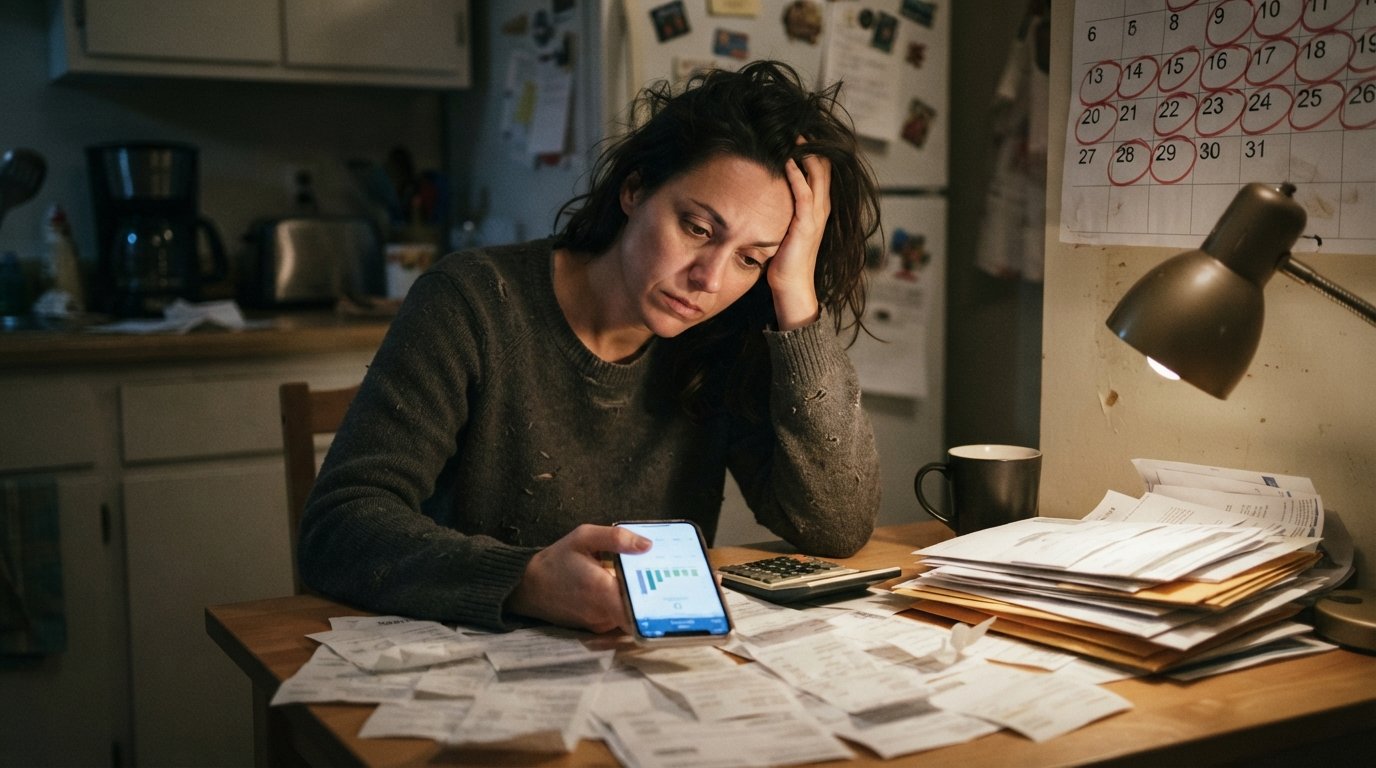
A single payday loan can feel like a lifeline when rent is due and your account is empty. Then the due date arrives, the finance charge eats your next paycheck, and you take out another loan to cover the first. Within a few months, three or four rollovers have turned a $400 emergency into $1,200 of pure interest, and every direct deposit disappears before you buy groceries. This cycle is by design: the Consumer Financial Protection Bureau has found that more than four out of five payday loans are rolled over or renewed within two weeks. Breaking out takes more than willpower. It takes a plan, and the right plan depends on how much you owe, how your state regulates payday lending, and how much room your budget actually has.
Why Payday Loans Resist Normal Debt Payoff Advice
Standard advice such as the debt snowball assumes your balance shrinks as you make payments. Payday loans work differently. A typical two-week loan carries a finance charge of $15 per $100 borrowed, which translates to an annual percentage rate near 400 percent. On a $500 loan, you owe $75 every two weeks just to keep the loan active. If you pay the full balance, you start the next month broke and likely borrow again. If you renew, you pay the fee and the principal never moves. Either way, the lender wins and your paycheck stays under water.
That structure means the goal is not simply to pay the loan off faster. The goal is to exit the cycle on terms you can actually afford. In practice, that usually means reducing the total amount you repay, spreading payments across months instead of weeks, or replacing the loan with cheaper credit. The options below are the ones that consistently work for borrowers who follow through, starting with the one most people overlook.
Option 1: Ask the Lender for an Extended Payment Plan
Many states require licensed payday lenders to offer an extended payment plan, sometimes called an EPP, to borrowers who cannot repay on the original due date. These plans let you repay the balance in installments, often without additional fees, and they are typically available once per year per borrower. The catch is that you usually have to ask before you default, and the lender will not volunteer the option at the counter.
If you live in a state without this requirement, you can still negotiate directly. Call the lender before the due date, explain that you cannot pay in full, and propose a specific schedule, such as four payments of $125 over two months. Get the agreement in writing, including confirmation that no new finance charges will accrue and that the loan will be reported as paid once you finish. Some lenders refuse, but enough agree that the phone call is worth thirty minutes of your time. Just do not accept a verbal promise: ask for the terms by email so you have a record if the debt later lands with a collector.
Option 2: Consolidate Through a Debt Settlement Program
When you owe several payday loans, plus credit cards or medical bills, negotiating each account on your own becomes a part-time job. A structured debt settlement program handles that work for you. You make one monthly deposit into a dedicated account, and the program negotiates with your creditors to settle balances for less than what you owe, often after the accounts have fallen behind. Payday lenders and the collection agencies that buy their paper are frequently willing to accept reduced lump sums because they know how little they can legally recover from a borrower in hardship.
This approach is not free and it is not instant. Programs typically take two to four years, and your credit score will drop while accounts remain unresolved. You should also understand the tax picture: forgiven debt above $600 is generally reported to the IRS on a 1099-C and may count as taxable income. Still, for someone juggling five payday loans and a credit card, a single monthly payment with a defined end date is often the difference between chaos and a plan. If you want to see how this works in practice, our guide on debt relief options for financial recovery walks through the full process step by step.
Before enrolling anywhere, confirm three things in writing: the total fees, an estimate of how long the program will take, and whether the company is a matching service or a direct provider. Debtsend, for example, is a free matching platform operated by Astoria Company Marketing, LLC. It does not lend money or settle debts itself. It connects you with third-party partners who do, typically after a short assessment that does not affect your credit. For borrowers who qualify, that matching step can surface options that would take weeks to find alone, including settlement, consolidation-style plans with one monthly payment, and credit counseling referrals.
Option 3: Replace Payday Debt With a Lower-Cost Installment Loan
If your credit is fair and your income is steady, an installment loan from a reputable lender can retire a payday loan at a fraction of the cost. The math is stark. Rolling over a $500 payday loan for six months costs roughly $900 in fees. A six-month installment loan at 36 percent APR costs about $55 in total interest on the same amount. Even a higher-rate installment product beats the rollover treadmill, because the balance actually goes down each month.
Comparison shopping matters here, because rates vary wildly between lenders. You can start by using a free comparison service such as FreeQuotes.Loans, which collects quotes from multiple third-party lenders so you can see offers side by side without submitting separate applications everywhere. A few rules keep this strategy safe:
- Never borrow more than you need to clear the payday balances plus one small buffer.
- Confirm the loan has no prepayment penalty so you can pay it off early.
- Check that the monthly payment fits your budget after rent, food, and utilities, not before.
- Avoid any lender that asks for a post-dated check or direct access to your bank account.
The last point deserves emphasis. One of the defining features of payday lending is the post-dated check or electronic repayment authorization, which is exactly what gives lenders leverage over your account. Any replacement loan that recreates that arrangement has not solved your problem; it has renamed it. Insist on a standard installment structure with fixed due dates you control.
Option 4: Nonprofit Credit Counseling and Debt Management Plans
Nonprofit credit counseling agencies offer free or low-cost sessions that end in a debt management plan, or DMP. Under a DMP, the agency negotiates reduced interest rates and waived fees with your creditors, then you make one monthly payment to the agency, which distributes it. Payday lenders rarely participate in DMPs, but the credit cards and medical bills draining your budget often do. Freeing up $200 a month through a DMP can create the cash flow you need to retire payday loans one at a time.
Choose your agency carefully. Legitimate counseling is offered by nonprofits affiliated with the National Foundation for Credit Counseling, and fees are capped and disclosed upfront. Be wary of any organization that charges a large enrollment fee before doing any work, promises to erase debt, or pressures you to sign the same day. A good counselor will review your entire financial picture, including the payday loans, and tell you honestly when a DMP is not your best route.
Option 5: Bankruptcy as a Last Resort
Bankruptcy is not the failure it is often made out to be, but it is a heavy tool. Chapter 7 can wipe out payday loans, credit cards, and medical bills in a few months, and it stops collection calls immediately. The trade-offs are real: a Chapter 7 filing stays on your credit report for up to ten years, you may have to surrender nonexempt assets, and filing costs, including attorney fees, often run over $1,000. Chapter 13 reorganizes debt into a three-to-five-year repayment plan instead of eliminating it.
Bankruptcy makes the most sense when your total debt dwarfs your income, you have no realistic path to repayment, and you have already tried negotiation, consolidation, or settlement. It is also worth a free consultation with a bankruptcy attorney before ruling it out, because exemptions vary by state and some filers keep far more property than they expect. For everyone else, the non-bankruptcy options above usually produce a better long-term credit outcome.
How to Choose the Right Path
There is no single best option, only the one that matches your numbers. Work through this quick assessment before committing to anything. Total your payday loan balances and the finance charges you pay each month. Then compare that figure to your monthly surplus, the money left after essential expenses. If you have any surplus at all, negotiation or consolidation can work. If the surplus is zero or negative, settlement or bankruptcy deserves serious consideration because no payment plan will succeed without cash flow behind it.
Run the same test for each option you are considering. A debt settlement program with a $300 monthly deposit only works if $300 exists. A DMP only works if the reduced payments still fit. A consolidation loan only works if the new payment is lower than the sum of what you were paying before. Writing these numbers down turns an overwhelming situation into a comparison between three or four concrete scenarios, and that clarity is what makes a decision possible.
Whatever you choose, act before the next due date. Payday debt compounds faster than almost any other consumer obligation, and every rollover adds to the total you eventually have to resolve. Start with one phone call today, whether that is to your lender, a nonprofit counselor, or a free matching service. The cycle is breakable, and the borrowers who escape it are the ones who stop renewing and start resolving.