
Rebuilding After a Repossession and Remaining Loan Balance
Rebuilding after a repossession and remaining loan balance starts with a clear plan. Call 8336708023 to explore your debt relief options today.

By Naomi Winters
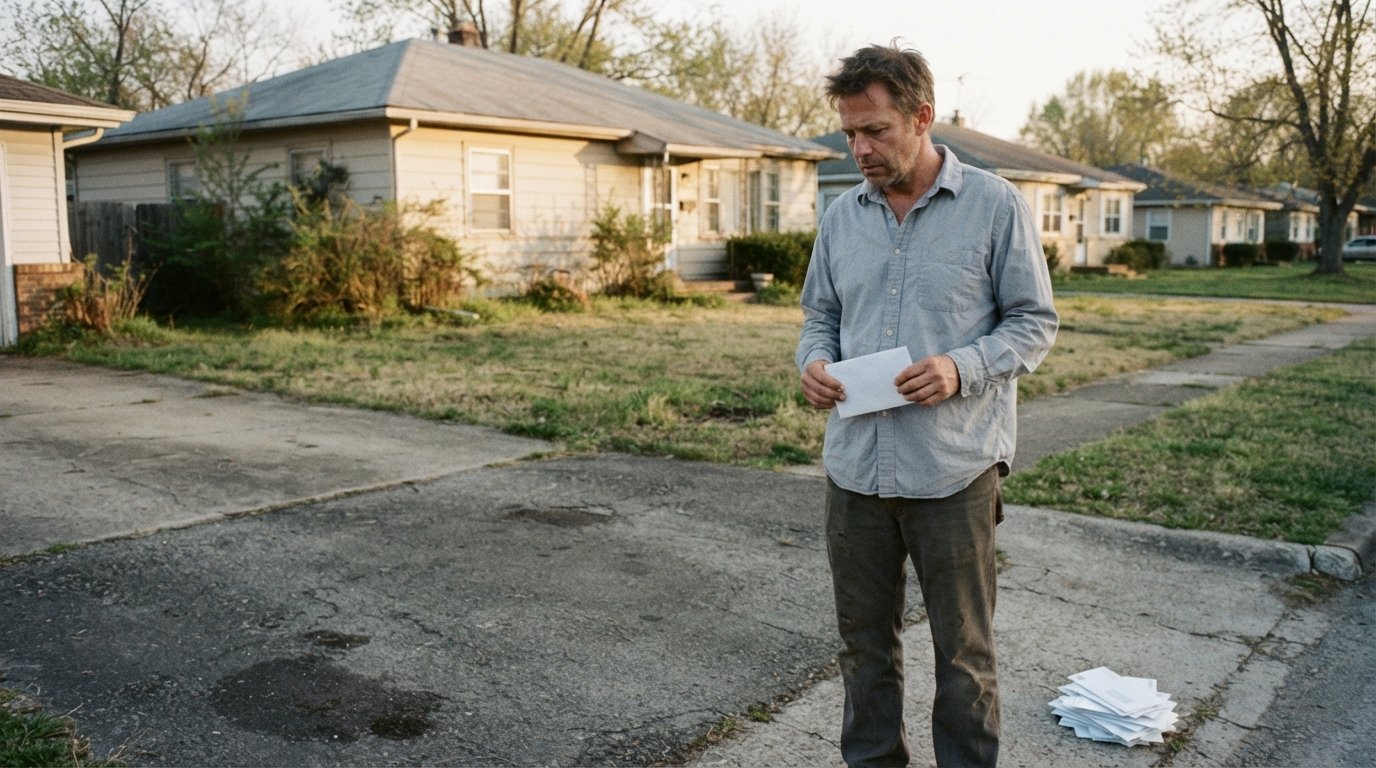
Waking up to an empty driveway is one of the most jarring experiences a car owner can face. The tow truck has come and gone, and with it went not just your transportation, but a sense of normalcy. In the days that follow, a stack of intimidating letters typically arrives, each one making it clear that the repossession itself did not erase the money you still owe. This is the harsh reality of a deficiency balance, and it catches many borrowers off guard. The good news is that this moment, as painful as it feels, is not the end of your financial story. Rebuilding after a repossession and remaining loan balance is a process, and thousands of Americans work through it every year. With the right strategy, you can stabilize your finances, protect yourself from aggressive collection tactics, and eventually restore your credit to a place where lenders say yes again.
At Debtsend, we work with people every day who are navigating exactly this kind of setback. Our role is not to judge how you got here, but to help you understand the road ahead and connect you with options that can actually reduce the pressure. Whether the remaining loan balance is a few thousand dollars or much larger, the path forward involves the same core tasks: understanding what you legally owe, dealing with collectors strategically, and making deliberate moves to repair the damage.
Why a Repossession Does Not Wipe Out the Loan
The most important concept to grasp is that a car loan is a secured debt, meaning the vehicle serves as collateral for the money you borrowed. When you default, the lender has the legal right to take the car back and sell it, but that sale is not the end of the transaction. The lender applies the proceeds from the auction to your outstanding balance, then adds back the costs of repossession, storage, and auction fees. Whatever remains is called a deficiency balance, and you are still legally responsible for paying it.
This is why so many people are shocked to receive a bill weeks after their car is gone. The vehicle they no longer have is still costing them money. In many states, the lender must notify you of the sale and provide an accounting of how the deficiency was calculated. If the lender sells the car for far less than its fair market value or fails to follow proper notice procedures, you may have legal defenses that can reduce or eliminate the debt. This is one of the reasons it pays to review every document carefully rather than simply accepting the number on the letter.
Deficiency balances can be surprisingly large. A car that was worth $12,000 when you bought it might sell at auction for $7,000, leaving a $5,000 gap before fees are even added. If you were already behind on payments, that gap grows larger. The lender is not required to get top dollar at auction, only to conduct a commercially reasonable sale, which gives them significant latitude. Understanding this reality is the first step toward dealing with it effectively.
What Happens to Your Credit and Your Wallet After Repossession
A repossession is reported to the credit bureaus and typically stays on your credit report for seven years from the date of the original delinquency. The impact is severe, often dropping a score by 100 points or more depending on your starting point. The remaining loan balance, if it goes unpaid, can also be reported as a collection account, compounding the damage. Lenders see both the repossession and the unpaid deficiency, which makes approval for future auto loans, mortgages, or even some jobs much harder.
The financial consequences extend beyond credit scores. If you do not pay the deficiency voluntarily, the lender can sue you for the balance. If they win, they may be able to garnish your wages, levy your bank account, or place a lien on other property, depending on your state's laws. This is why ignoring the debt is rarely a successful strategy. The problem does not go away; it simply changes form and often becomes more expensive through added court costs and interest.
That said, there are protections in place. Federal and state laws govern debt collection practices, and collectors cannot harass you, call you at unreasonable hours, or make false threats. Knowing your rights is essential. In our guide on car repossession consequences and your options, we explain how to identify violations and use them to your advantage. Many people do not realize that a collector who crosses legal lines can be held accountable, sometimes resulting in compensation that offsets what you owe.
Your Options for Handling the Remaining Loan Balance
Once you understand the size and nature of the deficiency, the next step is deciding how to address it. There is no single right answer, and the best choice depends on your income, your other debts, and your tolerance for risk. The main paths forward include negotiating a settlement, setting up a payment plan, disputing the debt if errors exist, or pursuing a legal defense if the lender violated the law.
Before choosing an approach, it helps to gather information. Request a written statement from the lender showing exactly how the deficiency was calculated, including the sale price and all fees. Then review your original loan documents and any notices you received. This groundwork puts you in a stronger position to negotiate, because you can spot inflated charges or procedural mistakes.
Here are the most common strategies people use to resolve a deficiency balance:
- Negotiate a lump-sum settlement: Offer a percentage of the total, often between 40 and 60 percent, in exchange for the debt being considered paid in full. This works best if you can access a lump sum from savings, a tax refund, or a gift from family.
- Set up a payment plan: If a lump sum is not possible, ask for a structured plan with manageable monthly payments. Get the agreement in writing before making the first payment.
- Dispute the debt: If the amount is inaccurate, the car was sold improperly, or the debt has been sold to multiple collectors, you may be able to challenge it successfully.
- Seek legal counsel: If you are being sued or if the lender violated repossession laws, an attorney can advise you on defenses and potential counterclaims.
Negotiation is often the most practical route for people with limited resources. Collectors purchase debts for pennies on the dollar, so they are frequently willing to accept less than the full balance, especially if you can pay quickly. The key is to get any agreement in writing and to never provide access to your bank account without a signed settlement letter. Once a debt is settled, the collector should update the credit bureaus to reflect a zero balance, though the negative history remains.
If you are dealing with multiple debts, including credit cards, medical bills, or personal loans, a broader debt relief strategy may make more sense than tackling the deficiency alone. This is where a service like ExpressCash can be helpful, connecting you with lenders who offer short-term solutions for unexpected expenses. However, for overwhelming unsecured debt, a structured debt settlement program through a matching service like Debtsend can provide a more comprehensive path to resolution.
How to Rebuild Your Credit Step by Step
Rebuilding after a repossession and remaining loan balance is not just about resolving the debt; it is also about restoring your creditworthiness. The two go hand in hand. As you pay down or settle the deficiency, you can begin taking steps to demonstrate that you are a responsible borrower again. This process takes time, but it is entirely achievable with consistency.
The first priority is to make sure all future payments are on time. Payment history is the single largest factor in your credit score, so even one late payment can set you back. If you have other accounts in good standing, keep them that way. If you do not have any open credit, consider a secured credit card or a credit-builder loan, which are designed for people rebuilding after setbacks.
Next, reduce your credit utilization. If you are carrying balances on credit cards, paying them down will improve your score relatively quickly. Aim to keep balances below 30 percent of your limits, and ideally below 10 percent. This shows lenders that you are not overextended.
Finally, be patient and monitor your progress. Pull your credit reports regularly to ensure that the repossession and any related accounts are reported accurately. If you find errors, dispute them in writing with the credit bureaus. As time passes and positive information accumulates, the impact of the repossession will gradually diminish.
When to Consider a Debt Relief Program
If the remaining loan balance is just one of several debts weighing you down, a debt relief program may offer the structure and support you need. Debt settlement, in particular, is designed for people experiencing genuine financial hardship who cannot afford to pay their unsecured debts in full. Through negotiation, creditors may agree to accept less than what is owed, allowing you to resolve the debt faster and for less money than you might expect.
It is important to understand the trade-offs. Debt settlement can negatively affect your credit score in the short term, and forgiven debt over $600 may be taxable as income. However, for many people, the alternative is bankruptcy or years of struggling with minimum payments that barely cover interest. A reputable program will explain these implications clearly and help you weigh the pros and cons.
At Debtsend, we connect consumers with vetted partners who specialize in debt settlement and related solutions. Our process starts with a free, no-obligation assessment that takes just a few minutes. You will receive personalized options and can decide whether a program is right for you. There is no pressure and no cost to explore your choices. If you are ready to take control of your financial future, reaching out to a service that understands repossession and deficiency balances can be a pivotal step.
The road back from repossession is not easy, but it is well traveled. By facing the remaining loan balance head-on, negotiating strategically, and committing to better credit habits, you can move past this chapter and into a more stable financial life.